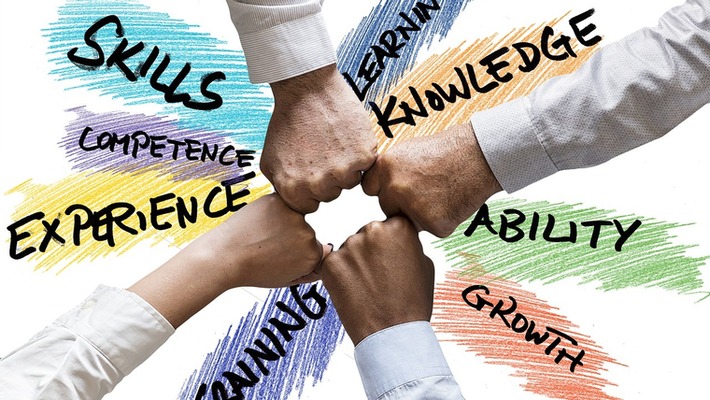
Teams that trust each other don't just work better together - they bring 21% more profit to their companies, according to Gallup's research. Organizations that make staff mentorship a priority see their performance soar by 72% compared to those that skip this crucial step.
Trust doesn't magically appear after team lunches or yearly retreats. My coaching experience shows that meaningful social connections play a vital role in team success, especially to enhance team dynamics and speed up decision-making. Let me share some battle-tested team building techniques and practical steps to build trust in your workplace that will create lasting success.
Let me walk you through what actually works for high-performing teams to build trust, what mistakes you need to watch out for, and which specific strategies will boost your team's performance with measurable results.
Trust barriers affect even the best corporate teams. During 2018, 41.4 million U.S. workers quit their jobs - an 88% increase since 2010 [1]. Teams can deal with these challenges better by understanding them first.
Bad communication tops the list of obstacles in building trust. A Society for Human Resource Management survey showed that 84% of respondents blamed poorly trained managers for creating unnecessary work stress [2]. Teams also don't deal very well with information hoarding, where members keep vital details to themselves as a power play [3].
When executive leadership lacks transparency, trust suffers. Employees fill information gaps with fear and uncertainty when decisions come without clear explanations [2]. Teams also tend to form subgroups and cliques that lead to guarded communications and private conversations, which hurt collective trust [3].
Low trust sends ripples through an organization's performance metrics. Teams with trust issues miss milestones, produce mediocre work, and fail to reach their goals [3]. These teams become less than what they could be and block innovation and personal growth opportunities.
Research shows organizations with trust issues face big financial consequences. Low trust leads to lower productivity, reduced involvement, and ends up affecting profitability [4]. Quality relationships rank as the second-most important factor in job satisfaction, making trust vital for keeping employees [1].
Here are key warning signs of trust issues in corporate teams:
Risk aversion: Teams won't challenge boundaries or suggest new ideas because they fear what happens if they fail [1].
Communication breakdown: People spend too much time catching up because teammates don't share information when they should [5].
Departmental silos: Groups won't share information or resources with other departments, which creates unhealthy competition [5].
Teams with trust problems show defensive behaviors in meetings and focus more on protecting themselves than solving problems [3]. There's another reason - micromanagement shows up when leaders can't trust employees to work independently, which kills initiative and efficiency [5].
High turnover rates raise red flags - research proves that organizations with trust issues see by a lot higher voluntary turnover [1]. Teams that keep doing superficial team-building activities while avoiding real collaboration often hide deeper trust problems [3].
A high-performer who gets results but ignores organizational values creates obvious unfairness, which breeds resentment among team members [3]. Teams that prefer individual bonuses over group rewards usually show they don't trust in shared success [3].
Corporate teams can spot trust issues early by knowing these barriers, effects, and warning signs. All the same, seeing the problems is just the first step - fixing them needs dedicated effort and strategic action from leadership.
Trust in teams runs deeper than just team-building activities. Studies show employees in high-trust companies experience 74% less stress and have 106% more energy at work [6].
Trust begins with reliability. Leaders who deliver on promises and set clear standards help team members feel secure. Research proves that reliable leadership boosts productivity by 50% and reduces sick days by 13% [6].
Leadership consistency matters even more in virtual or hybrid work environments. Teams with dependable leaders show steadfast dedication whatever the challenges. They stay resilient when facing obstacles [7]. This approach builds credibility and strengthens team relationships naturally.
Clear dialog is a vital part of building trust in corporate teams. Only 7% of workers strongly believe their workplace communication is accurate, timely, and open [8]. Setting up clear communication channels becomes crucial to build trust.
Leaders who practice open communication create psychological safety by:
Sharing updates quickly
Building relationships that help organizations succeed
Creating channels for feedback and discussion
Showing real interest in team members' ideas
Teams develop psychological safety through vulnerability - the freedom to take interpersonal risks without fear. Teams with high psychological safety are 76% more engaged and experience 40% less burnout [6].
Leaders need to show both skill and care to create psychological safety. Team members in a safe environment are more likely to:
Share creative ideas freely
Give honest feedback, even to leaders
Own up to mistakes and speak truth to power
Take smart risks that lead to breakthroughs
Psychological safety changes as teams grow. New teams often start with positive dynamics due to fresh group identity. Team members may face differences in values and work styles as they pursue common goals [9]. Good management helps overcome these challenges and builds stronger bonds.
Research shows that trust needs focused work on all these elements. Companies that develop these aspects see 29% higher life satisfaction in their employees [6]. Corporate teams must build reliability, keep communication open, and nurture psychological safety to achieve lasting high performance.
Corporate teams that succeed know a well-laid-out approach builds trust better. Companies that give regular strength-based feedback see their turnover drop by 14.9% [10].
Good feedback sessions need proper planning to work. Only 10% of employees stay engaged after negative feedback, according to research [11]. Leaders should build a framework that promotes constructive dialog.
Good feedback sessions must have these elements:
Clear expectations before meetings
Psychological safety that encourages open dialog
Focus on behaviors instead of personalities
Clear, applicable next steps
Regular check-ins work better than yearly reviews. Teams get four times more engaged when they receive meaningful feedback within a week [12].
Physical and hands-on activities build team bonds effectively. The "Personal Histories" exercise stands out as a powerful tool. Team members share stories about their background and experiences [13]. This simple activity helps people understand and connect with their colleagues better.
Teams can achieve these goals through structured exercises:
Remove communication barriers
Learn more about their colleagues
Improve shared problem-solving abilities
Build relationships through common experiences
A reliable accountability system helps maintain trust long-term. McKinsey's State of Organizations 2023 report shows that organizations with accountable leaders tend to be healthier [14].
A good accountability system needs:
Clear goals for everyone on the team
Regular check-in systems
Clear ways to measure performance
Ways for employees to give feedback
Teams using Objectives and Key Results (OKRs) show better accountability in three areas [14]:
Alignment: Individual goals support broader business aims Focus: Each team member has specific, measurable targets Commitment: Clear ownership of results
Organizations need to balance accountability with empathy. The Society for Human Resource Management found that leaders who combine both traits promote high performance and trust [14].
These techniques, when used consistently, create strong trust foundations that improve results. High-trust companies report 106% more energy and 50% higher productivity at work [15].
Companies need systematic methods and clear metrics to calculate trust within their teams. Research shows that businesses with high trust levels create 2.5 times more value than similar companies [2].
The best way to measure trust combines several approaches that capture both numbers and experiences. Companies use three main methods to review trust:
Employee Surveys: Quick pulse surveys about trust-building factors give an explanation of how teams work together. These surveys should ask about:
Team members' confidence in their coworkers
Recognition of team success
Fair and open leadership
Career growth options [2]
Stay Interviews: Managers who talk one-on-one with their team members can learn if employees feel valued and supported. These conversations help explore career goals and understand what might make them look elsewhere [2].
Indirect Evidence Analysis: Team performance, attendance patterns, and productivity levels show clear signs of trust. Exit interviews also reveal trust issues within teams [2].
Studies show that trust assessment works best when it looks at three basic elements that shape trustworthiness:
Ability Metrics:
Skills and knowledge assessment
Task completion success
Career growth progress [4]
Integrity Indicators:
Following ethical guidelines
Making consistent decisions
Keeping promises [4]
Benevolence Measures:
Help given to teammates
Real interest in others' growth
Actions showing care for coworkers [4]
Companies that use detailed trust measurement programs see big improvements. Research shows a 20% rise in Leadership Trust Index scores links to:
15% lower stress levels
3% fewer sick days
10% higher productivity
15% better employee engagement [16]
Trust measurement needs constant attention rather than one-time checks. Studies reveal that less than half of top companies keep their high-trust status year after year [2]. This shows why regular monitoring and adjusting trust-building efforts matter so much.
Trust metrics work best when they match your organization's specific needs. Teams working remotely or in critical environments might need more frequent checks [2]. Cultural differences also play a role when measuring trust since baseline levels can vary greatly between regions [2].
Corporate teams can damage trust despite their best intentions. Studies show that 67% of employees stick to the "this is how we've always done it" mindset that makes trust harder to build [17].
Trust cannot be manufactured through mandatory social events. A significant 80% of employees would rather build authentic work relationships than participate in forced team bonding [18]. Many leaders make the mistake of planning expensive dinners or organizing artificial activities. They expect these events to automatically create trust among team members.
These forced interactions usually lead to:
Team members sticking to their familiar groups
Introverted employees feeling uncomfortable
People going through the motions without building real trust
Teams becoming resistant to future bonding activities
Natural trust grows from shared experiences and mutual vulnerability [19]. Teams need environments where relationships can develop naturally through meaningful work interactions.
Cultural mismatches create major barriers to trust in corporate teams. The numbers tell an interesting story - trust levels vary from 60-86% in Scandinavian countries to less than 10% in some South American nations [19].
Many leaders try to use the same trust-building approach for teams of all types. Research shows that trust looks different in various cultures through:
Communication styles that vary widely
How people view hierarchy
Ways of handling conflicts
Building relationships differently
What works to build trust in one culture might fail completely in another [20]. The most successful corporate teams adjust their methods based on cultural differences while staying true to their core values.
The biggest mistake happens when leaders try to speed up trust development artificially. Real changes in trust take 18-24 months of consistent effort [18]. Yet many leaders want quick results after launching their trust initiatives.
Teams that rush trust creation face several problems:
Relationships stay shallow without real foundations
Real connections never happen
People become cynical about future trust-building
Leadership loses credibility
Trust grows like a planted seed - it takes time to develop [21]. Leaders who push for quick wins often hurt their long-term success. Organizations that focus on steady, authentic trust development see 55% more voluntary effort from their employees compared to typical workplaces [18].
Success comes from avoiding these common mistakes with patience and cultural awareness. Teams that build genuine relationships through shared work experiences, rather than forced social events, show 81% more voluntary effort than average workplaces [18]. Corporate teams can create environments where trust grows naturally when they understand these potential pitfalls.
Real trust in corporate teams takes dedicated effort and patience to build. My coaching work with high-performing teams shows that companies focused on building trust see amazing results in every performance area.
The best teams know that trust comes from four key elements. They prove their reliability through actions, keep communication open, show leadership vulnerability, and create psychological safety for everyone. These teams don't rush things. They let real relationships grow naturally but track their progress with clear metrics.
Note that trust looks unique for each team. A method that works perfectly in one culture might not work in another. Smart leaders adjust their approach but keep their steadfast dedication to core values and accountability.
Trust forms the bedrock of lasting team success. Companies that put time and resources into building real trust see big rewards. Their teams innovate more, stay engaged, and drive better profits. The experience needs patience, but teams committed to authentic trust-building gain lasting advantages that fuel their success.
Q1. What are the key elements for building trust in high-performing corporate teams? The four pillars of team trust are reliability and consistency, open communication, vulnerability, and psychological safety. Teams that focus on these elements tend to see improved performance, engagement, and overall success.
Q2. How can leaders effectively build trust with their team members? Leaders can build trust by being dependable, approachable, and supportive. This involves consistently following through on commitments, fostering open communication, showing vulnerability, and championing authenticity and empathy within the team.
Q3. What are some common mistakes to avoid when trying to build trust in corporate teams? Common trust-building mistakes include forcing relationships through mandatory social interactions, ignoring cultural differences in trust-building approaches, and rushing the trust development process. It's important to allow relationships to develop organically and to be patient with the process.
Q4. How can trust be measured within corporate teams? Trust can be measured through employee surveys, stay interviews, and analysis of indirect evidence such as absenteeism and productivity levels. Key metrics to track include ability (skills and task completion), integrity (ethical adherence and consistency), and benevolence (support and care for colleagues).
Q5. What are the benefits of high trust levels in corporate teams? Teams with high trust levels tend to experience increased productivity, higher engagement, reduced stress, fewer sick days, and improved innovation. Research shows that organizations with high-trust environments can generate up to 2.5 times more value than comparable businesses with lower trust levels.
[1] - https://thepersimmongroup.com/three-warning-signs-of-low-team-trust/
[2] - https://thediversitymovement.com/how-to-measure-trust-belonging-knowing-high-trust-workplace/
[3] - https://trustedadvisor.com/trustmatters/25-warning-signs-you-have-a-low-trust-organization-part-2-of-5
[4] - https://instituteforcollaborativeworking.com/Research-and-Knowledge/Tools/Online-Toolbox
[5] - https://6q.io/blog/7-ways-to-detect-lack-of-trust-in-a-team/
[6] - https://iveybusinessjournal.com/publication/how-leaders-can-communicate-to-build-trust/
[7] - https://thediversitymovement.com/inclusive-leadership-reliability-foundation-business-trusted-relationships/
[8] - https://www.govloop.com/community/blog/6-essential-ways-build-trust-team/
[9] - https://www.mckinsey.com/featured-insights/mckinsey-explainers/what-is-psychological-safety
[10] - https://www.linkedin.com/pulse/how-build-team-accountability-system-works-patrick-brown
[11] - https://www.culturemonkey.io/employee-engagement/feedback-session/
[12] - https://blog.blueoceanbrain.com/blog/how-to-run-a-team-feedback-session
[13] - https://www.linkedin.com/pulse/5-practical-ways-build-trust-psychological-safety-teams-vera-woodhead
[14] - https://www.betterworks.com/magazine/accountability-in-leadership/
[15] - https://www.harvardbusiness.org/good-leadership-it-all-starts-with-trust/
[16] - https://www.forbes.com/councils/forbescoachescouncil/2023/02/14/measuring-trust-using-the-leadership-trust-index/
[17] - https://letsgrowleaders.com/2020/09/21/9-mistakes-that-sabotage-collaboration-and-destroy-trust/
[18] - https://www.greatplacetowork.com/resources/blog/6-common-mistakes-leaders-make-about-trust-at-work
[19] - https://pmc.ncbi.nlm.nih.gov/articles/PMC10304359/
[20] - https://www.iese.edu/insight/articles/impact-culture-trust-workplace/
[21] - https://multifamilycollective.com/2025/02/rushing-leads-to-ruin-why-great-leaders-trust-the-process/
Image by Gerd Altmann from Pixabay